Providing Effective Feedback to Lab Trainees and Students

There’s something that underpins not just excellent training but excellent laboratories too; it’s the staff. But understanding how we take a trainee from their early days at university or initial days as a qualified Biomedical Scientist through to becoming a confident and competent Biomedical Scientist is a complex process.

At the heart of that process lies feedback. How we give it, when we give it, and the culture that surrounds it. Training isn’t just about ticking boxes or signing off competencies it’s about creating an environment where people grow. Feedback is the fuel for that growth.

So whether you’re a training officer, a laboratory manager, or a BMS in training yourself, I want this article to serve as a reflection on how we can do feedback better.


1–2 minutes
Continue reading

The Science Behind Sickle Cell: From SNP to Sickling

Sickle Cell Disease (SCD) is one of the most well researched and understood genetic blood disorders. Despite this, its impact is profound both clinically and socially. At its core lies a single nucleotide polymorphism (SNP), just one nucleotide change is all that’s required for such significant downstream effects ranging from red cell morphological changes to global health schemes. This post takes a walk through that journey from the SNP through to the sickling and how such a small change can lead to such a big problem.

1–2 minutes
Continue reading

Interpreting IG flags on the Sysmex XN: A Biomedical Scientist’s Practical Guide

Immature Granulocyte (IG) flags are more than just a numerical threshold they’re an insight into a patient’s underlying immune response. Whether you’re new to blood film review or an experienced BMS refreshing your practice, this guide will walk you through how to approach samples flagged for IG review, how to decide if a manual differential white cell count (DWCC) is needed, and how to interpret what you see on the slide.

1–2 minutes
Continue reading

Blast Cell Identification in Peripheral Blood for Biomedical Scientists: A Practical Guide

Blast cells are often feared by both newly qualified and highly experienced Biomedical Scientists alike. Although tricky, it is extremely important that anyone reviewing a peripheral smear is confident and capable of identifying them and taking the appropriate actions following identification. These cells are always pathological in the peripheral blood and it is vital for early intervention that this topic is afforded the time and patience it requires.

1–2 minutes
Continue reading

Creating a Successful Training Environment

There’s something that underpins an excellent working laboratory and it’s not difficult to guess what that is; It’s the staff. But understanding how we arrive at the finished product of a well rounded, educated, and knowledgeable Biomedical Scientist (BMS) is a bit more of a complex task.

Developing a Biomedical Scientist from their initial days in the laboratory through to a competent and knowledge hungry BMS is a process in itself and I think it’s important to discuss the importance of how we can start out on the right foot. Ultimately at some point you will either be involved with training a biomedical scientist or you may be one that is currently training and so I would like this article to serve as a primer on the training environment itself. Training is not a task, it’s a culture.

It’s always important to start out on the right foot. It’s often said that failing to prepare is preparing to fail and I think this is as true in the laboratory as it is anywhere else. So if you’re a BMS in training or a training officer responsible for the training environment itself, or someone with a bit of an interest in training then this is the article for you.

1–2 minutes
Continue reading

COVID-19: The Perfect Time For a New Job?

The COVID-19 pandemic has brought surprises and difficulties for many of us. Adjusting to the new rules and regulations which guide our daily routines has taken some getting used to. Dealing with all of this has thrown a spanner in the works that nobody imagined we would be contending with at all, never mind still wrestling with as we progress through the beginning months of 2021. It has for me however, also provided a new job and with it a unique opportunity to train and grow as a scientist amid the pandemic.

Continue reading

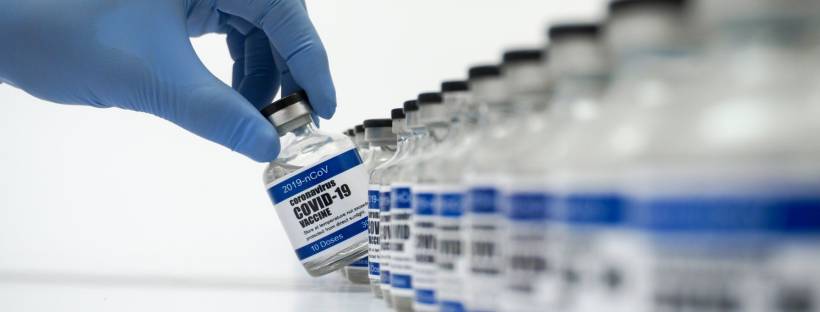
Why You Shouldn’t Be Worried About the Long Term Effects of a COVID Vaccine.

Very often, I find myself hearing the same problems brought up about a popular science topic and thinking about how many times I will have to produce an answer to that problem. Very rarely has it been quite as bad as recently. With the introduction of the new COVID vaccines into circulation, and the imminent vaccination of thousands, people have been somewhat concerned about aspects of the vaccine. In this article, I plan to address the topic of long term effects and why it shouldn’t stop you getting vaccinated.

Continue reading

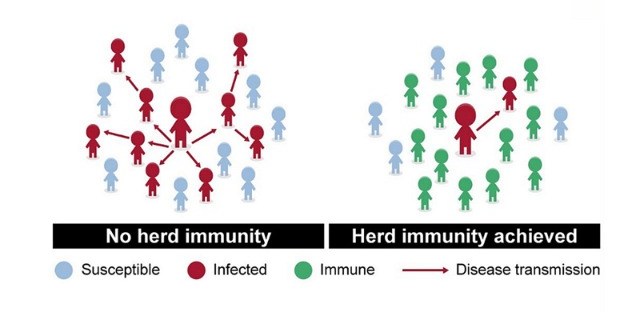
The COVID Herd Immunity Strategy

For almost everyone currently not in hibernation, COVID-19 is without a doubt the most discussed and apparently controversial topic on the go. From social media to the political discussions of Westminster, everyone is having their say. Regardless of position, what it is, is prime opportunity to witness science in action. I’d like to spend some time picking apart the idea that herd immunity is the best strategy moving ahead.

Continue reading

The Molecular Landscape

Molecular biology is a hot topic at the moment and yet, it’s one that the general public have a hard time nailing down. It is a vast topic that encompasses a number of wider scientific areas and provides unique insights for scientists and clinicians engaged in diagnosis and treatment of various diseases. So what is it and how does it help?

Continue reading