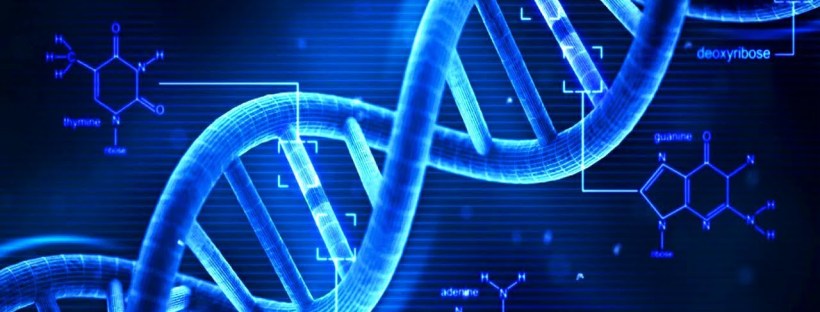
Sickle Cell Disease (SCD) is one of the most well researched and understood genetic blood disorders. Despite this, its impact is profound both clinically and socially. At its core lies a single nucleotide polymorphism (SNP), just one nucleotide change is all that’s required for such significant downstream effects ranging from red cell morphological changes to global health schemes. This post takes a walk through that journey from the SNP through to the sickling and how such a small change can lead to such a big problem.
Tag: Medicine
Genes and Genomes
For many years, the field of genetics has been undergoing a diverse change. The nomenclature in common use has continued to change and develop in new ways as the field grows more complex with ever more fascinating areas of study. The suffix “omics” has overtaken a large portion of what we scientists can now study and I plan to dedicate this article to genomics, giving you an understanding of what it is and why it is the next big thing for many who work on the level of the gene. Continue reading
The Haematology Laboratory
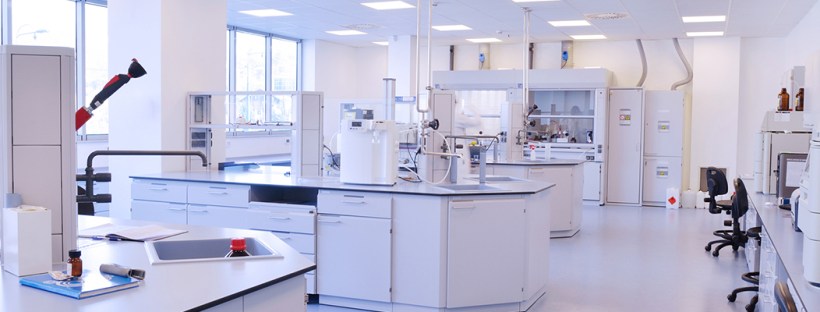
In my previous post I provided an overview of my time on placement. What I’d like to do with this post, is give a little more insight into the on goings of the haematology laboratory, the sections within it that a biomedical scientist can work in and what goes on in these sections.
The Placement Year
As I mentioned in previous posts, there are a number of criteria that must be met in order to attain registration as a biomedical scientist. Today I will be discussing the placement year. Details of what went on during my placement year, how I coped and what I felt like throughout the year.
Bacteria Turning Type A/B blood into Type O
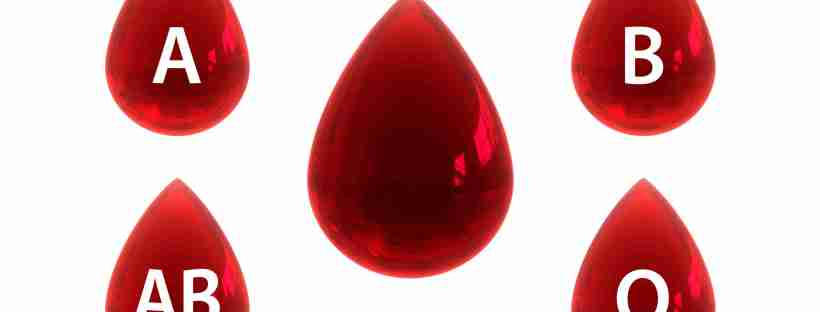
So, I had other plans for what my first scientific based post was going to be. However, as you may have noticed. The scientific community has rather obsessively purported this story around the globe. As a scientific blogger and specifically as the “Blood Geek” I really think I should make comment on this article and explain to you all what the fuss is all about and whether it is, everything it’s cracked up to be.
Where’s all the science?
Eh, Blood Geek? I came here for some high quality science and I’ve seen none yet. What are you doing?
So you’re still here so far. Perhaps you’ve only just stumbled here and you’re wondering to yourself. Where is all the science? Well I’m here to answer that question for you and I’m writing a whole post about it because I want to leave my readers without a doubt in their minds as to the direction of this blog.
The Beginning Years (Academic)
As we progress through this journey, we arrive at the beginning of my journey to becoming a Biomedical Scientist (BMS). When we last left off, I had realised where I was really meant to be. On a different side of healthcare. Somewhere that I could apply a much more scientific approach to, but all the while maintaining a presence in the journey of my patients. Biomedical sciences was the role for me, so I applied to the course during my working year out and thankfully was accepted to the programme. But what goes on during the initial years of the course? and how does a BMS come to bridge the gap of science and medicine?
What’s a Biomedical Scientist?
Fantastic question!
Most people whom I speak to about my day to day life ask me this question. Eventually. A biomedical scientist can be so obscure a title to some people, that it takes them a while to get there. So how, and when do we get there? indulge me if you will in a little script writing…